HANGZHOU, China, Sept. 10, 2026 /PRNewswire/ -- The education sector is entering a period of rapid digital transformation, with AI technologies reshaping expectations and amplifying good educational practices across primary, secondary, and higher education establishments. As generative AI and intelligent systems become more widely adopted, institutions are now expected to support in-person, remote, and blended learning simultaneously while maintaining consistency in teaching quality and student engagement. Educators face mounting pressure from heavy preparation workloads, inefficient classroom interactions, and fragmented teaching data. Students, meanwhile, expect increasingly engaging and personalized learning experiences.

A new generation of AI-enabled, education-first designed solutions—such as Hikvision's WonderHub—is beginning to address these challenges. By combining intelligent interactive flat panel displays (IFPDs) with cloud-based collaboration and management platforms, educational institutions can create connected classrooms that support teachers across lesson planning, delivery, and follow-up.
AV Magazine and Hikvision have collaborated to release a new white paper for IT decision-makers and education leaders, providing a strategic overview of how to achieve smart education by transforming the full teaching lifecycle through AI-centered interactive flat panel displays and cloud collaboration.
AI-driven smart education transforms the classroom from a collection of disconnected devices into a unified, responsive teaching ecosystem—reducing administrative workload, enhancing accessibility, and turning every lesson into a foundation for continuous improvement.
Download the full white paper to discover how AI-centered education solutions, such as the WonderHub ecosystem, move education from a device-centered model toward an intelligent, workflow-driven experience that supports teachers across the entire learning journey.
 View original content to download multimedia:https://www.prnewswire.co.uk/news-releases/how-to-effectively-leverage-ai-powered-intelligent-displays-and-cloud-collaboration-to-transform-the-full-teaching-lifecycle-302874833.html

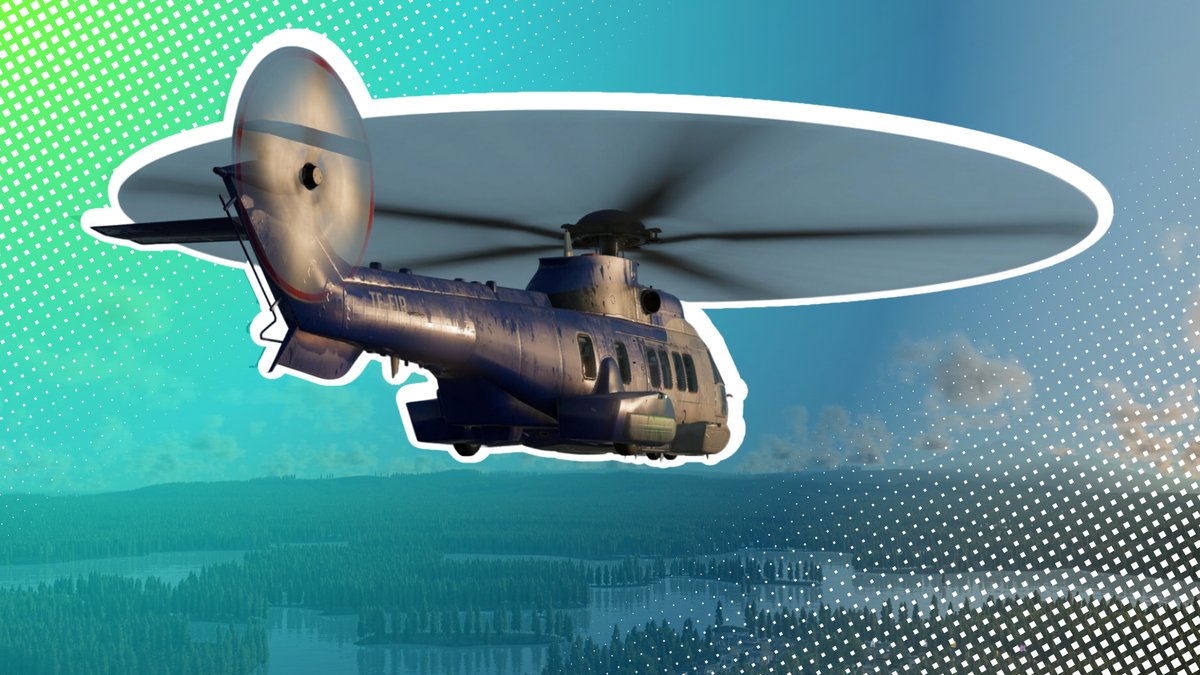
Das Schweizer Studio Urban Games bringt seine erfolgreiche Verkehrssimulation in die nächste Runde: Transport Fever 3 ist ab sofort erhältlich – erstmals auch in einer Version für macOS. Spielerinnen und Spieler bauen darin über mehr als 125 Jahre Transportgeschichte hinweg ein eigenes Verkehrs- und Logistikimperium auf, von den ersten Pferdekutschen und Dampflokomotiven bis hin zu modernen Düsenjets, Supertankern, Hochgeschwindigkeitszügen und Helikoptern. Der Titel setzt damit die Tradition von Genre-Klassikern wie Transport Tycoon fort und positioniert sich erneut als Konkurrenz zu Städten-Simulationen wie Cities: Skylines, allerdings mit klarem Fokus auf Transport und industrielle Verknüpfungen.
Auf dem Mac richtet sich Transport Fever 3 klar an Besitzer aktueller Hardware. Urban Games verlangt mindestens einen M2‑Pro‑Chip, 16 Gigabyte Arbeitsspeicher, 90 Gigabyte freien Speicherplatz und macOS Sequoia 15. Empfohlen wird ein M4 Pro oder besser mit mindestens 24 Gigabyte RAM. Vertrieben wird das Spiel über Steam und GOG, die Einstiegsversion kostet ab 49,99 Euro. Ob zusätzlich eine Veröffentlichung im Mac App Store geplant ist, ist noch offen. Die Simulation bietet eine deutschsprachige Benutzeroberfläche und Vertonung; Videoeinblicke in das Spiel stellt der Entwickler auf YouTube bereit.
Inhaltlich bleibt Transport Fever 3 dem Kern des Genres treu, vertieft aber die Komplexität. Spieler verbinden Städte und Industrie-Standorte, organisieren Linien für Busse, Straßenbahnen, Lkw, Eisenbahnen, Schiffe, Flugzeuge und Helikopter und optimieren so den Transport von Personen und Gütern. Einnahmen generieren alle Transporte, doch zugleich steigen mit jedem Fahrzeug und jeder neuen Strecke die laufenden Kosten. Zusätzlich müssen mehrstufige Produktionsketten bedacht werden: Rohstoffe wie Holz gelangen zunächst ins Sägewerk, bevor sie als weiterverarbeitetes Produkt in die Städte geliefert werden. Fehler in der Planung oder ungenaue Umsetzung können dazu führen, dass sich Systeme gegenseitig blockieren – etwa bei langen Verbindungen über mehrere Kilometer oder im dicht getakteten innerstädtischen Verkehr.
Transport Fever 3 adressiert diese Komplexität mit einem stärker geführten Einstieg und Szenarien. Eine Einführung erläutert Schritt für Schritt grundlegende Mechaniken wie Straßenbau, Linienplanung und Fahrzeugkauf. Spezielle Szenarien führen anschließend in kompakter Form durch komplexere Zusammenhänge und setzen auf abgeschlossene, erzählerisch eingebettete Aufgaben – etwa wenn eine Stadt für einen Großanlass wie Mardi Gras vorbereitet oder ein Dorf bei der wirtschaftlichen Entwicklung unterstützt werden soll. Das Spiel legt dabei Wert auf Detailsteuerung bis hin zu Ampelphasen an Kreuzungen und erlaubt es, ein fein verzweigtes Netz aufzubauen, in dem erfahrene Spieler jede Linie und jeden Zug kennen. Besitzer von Transport Fever 2 erhalten beim Kauf der Standard- oder Deluxe-Edition auf derselben Plattform einen Treuerabatt von 10 Prozent – ein Angebot, das die bestehende Community in die neue Version mitnehmen soll.