ABU DHABI, UAE, May 22, 2026 /PRNewswire/ -- Sungrow, the globally leading PV inverter and energy storage system (ESS) provider, and Masdar, a global clean energy leader, have signed an agreement for the supply of Energy Storage System and PV inverter solutions for the UAE's world-first gigascale round-the-clock renewable energy project (RTC).
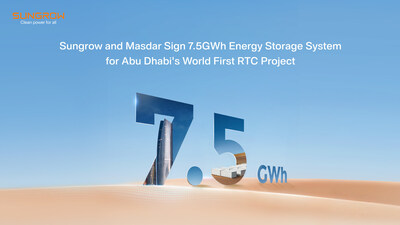
Developed by Masdar and the Emirates Water and Electricity Company (EWEC), RTC combines 5.2GW of solar photovoltaic (PV) capacity with a 19GWh battery energy storage system (BESS), delivering baseload renewable energy at unprecedented scale.
Under the agreement, Sungrow will supply 7.5GWh of PowerTitan 3.0 ESS, alongside 2.6GW of PV inverter solutions, supporting the project's operational reliability and efficiency.
Designed to help meet growing demand for uninterrupted clean power, the project will support a range of applications, including energy-intensive industries, business operations, residential communities and emerging digital infrastructure.
RTC represents a major advancement in the integration of solar PV and battery storage technologies at the utility scale. Once operational in 2027, it is expected to support the delivery of reliable clean energy around the clock while enhancing grid resilience and flexibility.
24/7 Renewable Energy Delivery
RTC will deploy more than 1,000 PowerTitan 3.0 liquid-cooled ESS integrated with advanced PV inverter technologies to support continuous power delivery and enhanced grid stability.
Each system operates on an optimized cycle of 8-hour charging and 16-hour discharging to support a stable and flexible renewable energy supply. Featuring an AC block design and rack-level management, the system is designed to enhance operational safety and efficiency.
Efficiency and Performance in Challenging Conditions
The system incorporates a fully liquid-cooled Silicon Carbide Power Conversion System (SiC PCS), achieving a maximum efficiency of 99.3 percent and a system RTE of 90 percent.
Designed for operation in demanding climates, the system can operate at temperatures of up to 55°C without derating, making it well suited to the UAE environment.
RTC reimagines the potential of renewable energy by overcoming intermittency. Once operational, it will produce gigascale baseload renewable energy at a globally competitive tariff for the first time. The project is designed to be a blueprint that can be replicated around the world.
About Sungrow
Sungrow, a global leader in renewable energy technology, has pioneered sustainable power solutions for over 29 years. As of Dec 2025, Sungrow has installed over 1000 GW of power electronic converters worldwide. The company is recognized as the world's most bankable PV inverter and energy storage company (BloombergNEF). Its innovations power clean energy projects across the globe, supported by a network of 520 service outlets guaranteeing excellent customer experiences. At Sungrow, we're committed to bridging to a sustainable future through cutting-edge technology and unparalleled service. For more information, please visit: www.sungrowpower.com/en
Photo - https://mma.prnewswire.com/media/2985180/7_5_Abu_Dhabi.jpg
Logo - https://mma.prnewswire.com/media/1344575/Logo.jpg
 View original content:https://www.prnewswire.co.uk/news-releases/sungrow-and-masdar-sign-7-5gwh-energy-storage-system-for-abu-dhabis-world-first-rtc-project-302779708.html

Sandoz hat im ersten Quartal 2026 trotz erheblicher Verwerfungen im Penicillin-Geschäft weiteres Wachstum erzielt. Der Umsatz des Schweizer Generika- und Biosimilar-Spezialisten belief sich zwischen Januar und März auf 2,76 Milliarden US-Dollar, ein Plus von 11 Prozent gegenüber dem Vorjahreszeitraum. Zu konstanten Wechselkursen legten die Erlöse um 3 Prozent zu. Der Konzern bestätigt nach eigenen Angaben seinen Ausblick für das Gesamtjahr.
Treiber der Entwicklung war vor allem das höhermargige Biosimilar-Geschäft, das die frühere Novartis-Tochter weiter ausgebaut hat. Dagegen stand die grössere Generika-Sparte erneut unter Druck, weil sich die Marktverwerfungen im Penicillin-Segment fortsetzten. Klammerte man die negativen Auswirkungen aus dem Antibiotika-Geschäft aus, hätte das Umsatzplus zu konstanten Wechselkursen bei rund 5 Prozent gelegen und damit im Rahmen der Unternehmensprognose.
Die Belastungen resultieren aus einem anhaltenden Preisverfall bei wichtigen Penicillin-Wirkstoffen (Active Pharmaceutical Ingredients), der bereits im Vorjahr eingesetzt hatte. Hintergrund sind US-Zölle, die chinesische Anbieter dazu veranlasst haben, ihre Penicillin-Mengen verstärkt nach Europa umzuleiten. Das zusätzliche Angebot hat dort die Preise deutlich gedrückt. Parallel dazu führten in Indien eingeführte Mindestpreisvorschriften dazu, dass weniger chinesische Ware in diesen Markt floss, was den Wettbewerbsdruck in Europa zusätzlich verschärfte und den Preisdruck weiter verstärkte.
Laut Sandoz konzentrieren sich die heftigsten Auswirkungen dieser Entwicklung auf das erste Quartal, die verbleibenden Effekte sollen sich nun schrittweise abschwächen. Analysten verweisen darauf, dass das Unternehmen ohne den Antibiotika-Gegenwind im Rahmen seiner Guidance gewachsen wäre. Der Konzern bleibt damit auf Wachstumskurs, muss sich im Generika-Kerngeschäft jedoch weiterhin in einem von handelspolitischen Eingriffen und regulatorischen Änderungen verzerrten Marktumfeld behaupten.