World's First Curatorial Art Showcases 20+ Iconic Studios Through Curated Artworks, with Select Artworks Making Their Global Debut
SHENZHEN, China, July 10, 2026 /PRNewswire/ -- Tencent announced "Worlds of Play: The Game Art Exhibition," a first-of-its-kind global art exhibition co-hosted with leading game studios from around the world, set to take place during gamescom 2026. Showcasing 40 iconic game titles through gallery-worthy artworks and immersive installations — some making their global debut — the exhibition celebrates the artistry and cultural significance of game creation. "Worlds of Play" will be open to media, influencers, and the public from August 27 to 29 at WASSERMANNHALLE, Cologne, Germany. The exhibition is organized around five themed zones — Reality, Experiments, Abyss, Epics, and Wonderland — each offering visitors a distinct journey through the diverse worlds of gaming.
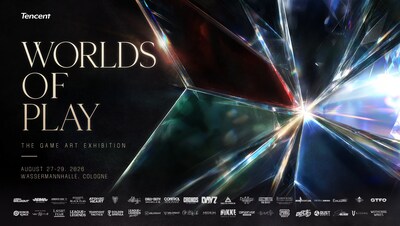
Spanning five immersive zones, the exhibition brings together an extraordinary lineup of game IPs from both Tencent's in-house studios and partner studios worldwide. Each zone offers a distinct creative journey: Reality brings the intensity of modern combat through Arena Breakout, Arma Reforger, DayZ, Delta Force, PUBG MOBILE and Rust Mobile; Experiments explores the sci-fi frontier with CONTROL Resonant from Remedy Entertainment; Abyss explores humanity's darkest fears through Cronos - The New Dawn, the Dying Light series, GTFO, Layers of Fear and The Medium; Epics celebrates legendary worlds spanning the Assassin's Creed franchise, Atomic Heart, Black Myth: Wukong, Golden Spatula, Honor of Kings, Honor of Kings: World, League of Legends, League of Legends: Wild Rift, Phantom Blade Zero, Teamfight Tactics, VALORANT and VALORANT Mobile; and Wonderland showcases the vibrancy of ACG culture through the Girls' Frontline series, Goddess of Victory: Nikke, and Wuthering Waves, as well as the romance game Light and Night. Each zone features original concept art, character statues, scale models, and immersive installations that reveal the artistry behind every title.
"Great games are remarkable expressions of creative collaboration, bringing together art, storytelling, music, design, and technology to create an experience unlike any other medium," said Steven Ma, Senior Vice President of Tencent. "With 'Worlds of Play,' we are proud to collaborate with partner studios from around the world to celebrate the artists and creators behind them."
Several activities and attractions will be available for media, influencers, and the public. Opportunities with the public include a face-to-face dialogue with the game developers of renowned game titles. Visitors will also have an opportunity to access curated exhibition installations featuring original concept art, character statues, figurines, and other behind-the-scenes creative assets. Interactive experiences focused on engaging with the community will also be offered to museumgoers, including cosplay showcases and other immersive experiences.
Registration for "Worlds of Play" is now open. Media, influencers, and members of the public are encouraged to register early, as space is limited. For more information and to register, please visit tencent.com/worldsofplay. Stay connected with Tencent by following the Tencent Global and Tencent Games LinkedIn pages for our latest news, or visit us at www.tencent.com for updates.
For more information, please find the Fact Sheet here.
About Tencent
Tencent creates innovative technologies that connect and create memorable experiences for people around the world. Founded in 1998, Tencent is driven by its mission to create "Value for Users" and use "Tech for Good".
Tencent is a global leader in communications, entertainment and enterprise services. It develops and publishes some of the world's most popular video games and other high-quality digital content, providing rich and immersive interactive entertainment experiences.
Tencent is a global technology company headquartered in Shenzhen. It has been listed on the Main Board of the Stock Exchange of Hong Kong since June 2004.
Photo - https://mma.prnewswire.com/media/3005345/image1.jpg
 View original content:https://www.prnewswire.co.uk/news-releases/explore-the-art-and-creativity-behind-40-game-titles-through-worlds-of-play-global-art-exhibition-in-cologne-august-27-to-29-302822606.html

Der Bundesrat verschärft im Streit um das Frühfranzösisch den Ton und greift zu einem bundesrechtlichen Instrument. Alle Primarschülerinnen und Primarschüler in der Schweiz sollen künftig zwingend eine zweite Landessprache lernen. Um dieses Ziel durchzusetzen, hat die Landesregierung eine Revision des Sprachengesetzes in die Vernehmlassung geschickt. Sie reagiert damit auf Vorstösse in mehreren deutschsprachigen Kantonen, Französisch aus den Stundenplänen der Primarschule zu streichen.
Im Zentrum steht die Frage, welche Rolle die Landessprachen im obligatorischen Unterricht spielen sollen. Für den Bundesrat ist dies eine «Frage von nationaler Bedeutung». Die Bundesverfassung verpflichte Bund und Kantone gemeinsam, die Landessprachen zu erhalten, die Verständigung zwischen den Sprachgemeinschaften zu stärken und nationale Minderheiten zu schützen, hält die Regierung fest. Der Bund sehe sich damit in der Verantwortung, den Zusammenhalt zwischen den Sprachregionen und den Respekt vor der sprachlichen Vielfalt zu sichern, während die Kantone ihr Schulwesen so zu harmonisieren hätten, dass Qualität und Durchlässigkeit des Bildungsraums Schweiz gewahrt bleiben.
Der Konflikt entzündet sich an der 2004 beschlossenen Sprachenstrategie der Kantone, die 2009 im HarmoS-Konkordat verankert wurde. Diese sieht vor, dass Kinder in der Primarschule zwei Fremdsprachen erlernen – darunter eine zweite Landessprache. In einzelnen Kantonen gibt es inzwischen Bestrebungen, den Unterricht einer Landessprache als Fremdsprache auf der Primarstufe zu streichen. Das widerspreche der gemeinsamen Strategie, schreibt der Bundesrat und zeigt sich über diese Entwicklung «beunruhigt».
Um gegenzusteuern, legt die Regierung zwei Varianten für eine Gesetzesänderung vor. Die erste folgt dem HarmoS-Modell: In der Primarschule sollen obligatorisch zwei Fremdsprachen unterrichtet werden, eine Landessprache und Englisch. Damit würde die heutige Praxis in den 15 HarmoS-Kantonen bundesrechtlich abgesichert und für alle gelten, sollte es nötig werden. Die zweite Variante lässt den Kantonen mehr Spielraum: Sie verpflichtet lediglich dazu, dass eine zweite Landessprache spätestens ab der Primarschule und durchgehend bis zum Ende der obligatorischen Schulzeit unterrichtet wird, ohne Englisch explizit als zweite Fremdsprache vorzuschreiben.
Mit der Revision will der Bundesrat den Rahmen abstecken für den Fall, dass die Kantone ihre Sprachenstrategie ganz oder teilweise aufgeben. Konkrete Entscheide sind noch offen: Zunächst läuft bis zum 5. Oktober 2026 eine Vernehmlassung, in der Kantone, Parteien und weitere Akteure Stellung beziehen können. Erst danach wird sich zeigen, ob sich das strengere HarmoS-Modell oder die flexibelere Lösung durchsetzt – und wie viel Gewicht der Bund seiner sprachpolitischen Rolle im Schulbereich tatsächlich geben will.