LG's Second Production Hub in Brazil, the Paraná Facility, Supports Regional Supply Chain Resilience
News Summary
SEOUL, South Korea, Aug. 17, 2026 /PRNewswire/ -- LG Electronics (LG) has opened a new plant in Paraná, Brazil, reinforcing its manufacturing footprint in Brazil and supporting long-term growth across Latin America, a key growth region for LG.
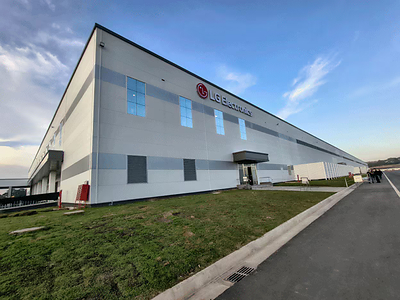
Representing an investment of approximately USD 310 million (BRL 1.5 billion), the factory is LG's second home appliance production base in Brazil, joining the Manaus plant in Amazonas, which began operations nearly three decades ago. The new facility spans an area of approximately 770,000 square meters and has an annual production capacity of approximately 600,000 refrigerators, equivalent to one unit every 14 seconds.
Smart Manufacturing for Enhanced Productivity and Quality
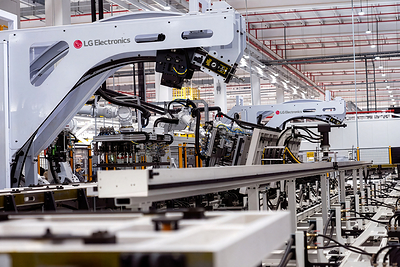
The Paraná factory incorporates smart factory solutions, including AI and industrial robotics, to improve production efficiency, product quality and workplace safety. The facility applies LG's Vision AI-based inspection systems and robotics-enabled automation to enhance product quality and production consistency. Articulated robots are utilized to handle physically demanding or higher-risk tasks, such as transporting refrigerator doors, helping improve workplace safety while supporting process stability.
Refrigerators Tailored to Brazilian Lifestyles
The expanded production infrastructure will strengthen LG's ability to bring locally tailored home appliances to market. Refrigerators made at the Paraná factory have been developed based on extensive local consumer research conducted by LG's Brazil-based R&D team. Comprising approximately 40 professionals, the team ensures that designs are optimized for Brazilian homes and lifestyles.
Additionally, the Paraná-produced refrigerators feature bi-voltage compatibility, reflecting Brazil's use of both 127V and 220V electrical systems. Engineered for the country's hot and humid climate and home-entertaining culture, the appliances also come equipped with LED-based internal sanitization to help prevent bacterial growth.
Strategic Production Hub for Local Supply and Regional Growth
The Paraná factory will initially focus on serving Brazil's domestic market by enabling the timely supply of locally tailored products. Manufacturing locally is also expected to improve logistics efficiency, reduce dependence on imports, cut delivery times by up to 80 percent, and strengthen LG's responsiveness to local market needs.
Over the mid-to-long term, the factory is expected to serve as a strategic production and export hub for Latin America, supporting regional growth while enabling the company to respond more flexibly to shifts in global supply chains and evolving market conditions. In practice, the plant facilitates shorter logistics timelines, providing LG with greater agility in supplying retailers and in reacting to seasonal demand and regional trends.
"The new Paraná factory strengthens our production capabilities, enabling us to ensure a stable product supply and deliver appliances tailored to the evolving needs of consumers in Brazil and across Latin America," said Baek Seung-tae, president of the LG Home Appliance Solution Company. "Through this strategic investment, we will continue to deliver differentiated customer experiences and reinforce our commitment to the region."
About LG Electronics Home Appliance Solution Company
The LG Home Appliance Solution Company (HS) is a global leader in home appliances and AI home solutions. By leveraging industry-leading core technologies, the HS Company is committed to enhancing consumers' quality of life and promoting sustainability. The company develops thoughtfully designed kitchen and living appliance solutions and has recently integrated LG's Robot Business Division to incorporate advanced robot technologies into its home solutions. Together, these products offer enhanced convenience, exceptional performance, efficient operation and sustainable lifestyle solutions. For more news on LG, visit www.LG.com/global/newsroom/.
 View original content to download multimedia:https://www.prnewswire.co.uk/news-releases/lg-electronics-expands-latin-american-manufacturing-with-new-smart-factory-in-brazil-302852335.html

Postauto treibt den Einsatz autonomer Fahrzeuge in der Ostschweiz voran und bereitet nach eigenen Angaben Europas grösstes Robo-Taxi-Netz vor. Das Bundesamt für Strassen (Astra) hat dem Unternehmen eine Ausnahmebewilligung erteilt, damit die speziell ausgerüsteten E-Autos im St. Galler Rheintal sowie in den Kantonen Appenzell Ausserrhoden und Appenzell Innerrhoden automatisch verkehren dürfen. Seit dem 1. Juni sind die Fahrzeuge in einem rund 80 Quadratkilometer grossen Gebiet unterwegs – vorerst noch zu Testzwecken und mit Sicherheitsfahrerinnen und -fahrern an Bord.
Herzstück des Projekts ist die Flotte von bis zu 25 sogenannten "AmiGo"-Fahrzeugen, die im Endausbau mit Automatisierungsgrad Level 4 fahren sollen. Postauto kooperiert dafür mit Apollo Go, der Robotaxi-Sparte des chinesischen Technologiekonzerns Baidu. Die Fahrzeuge werden im typischen Postauto-Gelb lackiert und elektrisch betrieben. Während der Testphase dürfen die Sicherheitsfahrer ihre Hände vom Lenkrad nehmen; sie können jedoch jederzeit eingreifen, wenn die Situation es erfordert – etwa an unübersichtlichen Verzweigungen oder bei forsch auftretendem Gegenverkehr.
Im Alltagstest auf einer festgelegten Route in Altstätten (SG) zeigt sich das System laut Projektbeteiligten bereits weitgehend stabil, auch wenn der Fahrkomfort in Kurven noch nicht an einen menschlichen Chauffeur heranreicht. Auffällig ist das sehr defensive Verhalten, etwa vor Fussgängerstreifen, wo das Fahrzeug früh abbremst, selbst wenn sich Personen noch in einiger Entfernung befinden. Gesteuert wird der Betrieb zusätzlich aus einer Leitstelle, in der Operatorinnen und Operatoren die Fahrten überwachen und bei Bedarf aus der Ferne eingreifen können.
Der reguläre Betrieb mit fahrerlosen Fahrzeugen ist ab 2027 vorgesehen. Postauto plant, dass Fahrgäste in der Region ihre autonome Fahrt dann probeweise per App buchen können. Astra-Direktor Jürg Röthlisberger sieht im automatisierten Fahren eine grosse Chance und spricht dem Projekt das Potenzial eines "Gamechangers" zu. Es ist nicht der erste Versuch mit selbstfahrenden Fahrzeugen in der Schweiz, aber nach Umfang und Einsatzgebiet der bislang weitreichendste. Die Technologie soll schrittweise verfeinert und insbesondere für ländliche Regionen erprobt werden, in denen flexible, bedarfsgesteuerte Angebote die bestehende Grunderschliessung ergänzen könnten.